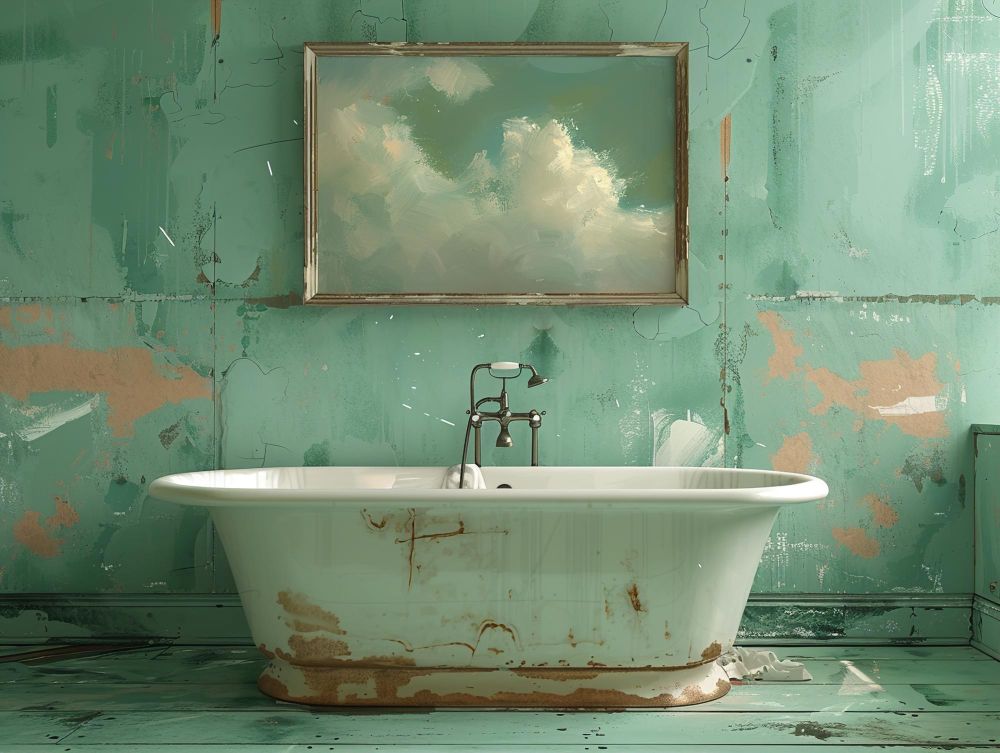
How to Prevent and Repair Paint Peeling in Bathroom
Keeping your bathroom well-painted not only boosts its look but also its functionality. This guide will show you how to prevent and fix peeling paint, tackling common problems and offering practical tips.
A well-kept bathroom is crucial for both hygiene and the structural health of your home. Good paint can protect your walls from moisture damage, stop mold growth, and create a clean, welcoming space. Ignoring paint maintenance can lead to peeling, which weakens the protective barrier and makes the room look shabby.
Key takeaways
- Ensure bathroom ceiling and walls are clean and dry before applying fresh paint to prevent loose paint
- Use a paint scraper and putty knife to remove old damaged paint for a smooth wall surface
- Proper ventilation like exhaust fans or open windows reduces moisture in high humidity environments
- Thoroughly clean and sand walls to remove dirty surfaces for better paint adhesion
- Apply thin even coats of high-quality moisture-resistant paint with adequate drying time
- Inspect and clean bathroom ceiling and walls regularly and address chips or cracks promptly
Common Issues Caused by Peeling Paint in Bathrooms
Paint peeling in a bathroom can cause several problems:
- Moisture Damage: Without a good paint layer, walls can suffer from moisture, leading to further damage.
- Mold Growth: Exposed surfaces from peeling paint can develop mold and mildew, which love damp areas.
- Unappealing Aesthetics: Peeling paint makes your bathroom look uncared for and unsanitary.
- Structural Problems: Long-term moisture exposure can weaken your bathroom walls.
Understanding these issues shows why it’s important to maintain your bathroom paint.
Why Paint Peeling in Bathrooms Occurs
Paint peeling in the bathroom can make the room look bad and cause more issues like moisture damage and mold growth. Knowing what causes it can help you prevent and fix it effectively.
High Humidity Levels
Bathrooms are naturally humid because of showers and baths. High humidity causes condensation on walls, which can seep into the paint and make it peel. Proper ventilation, like using exhaust fans or opening windows, is essential to lower humidity and stop moisture from ruining the paint.
Inadequate Surface Preparation
Getting the surface ready is key for a successful paint job. If you don’t clean and prime the walls properly, the paint won’t stick well. Dirt, soap scum, and old paint can block new paint from adhering, leading to peeling. Thorough cleaning and sanding ensure a smooth surface for the paint to stick.
Low Quality Bathroom Paint
Using cheap paint instead of high-quality latex paint can lead to peeling. Low-cost paints often lack the durability and moisture resistance needed for bathrooms. Investing in high-quality, moisture-resistant paint made for bathrooms ensures better adhesion and longer-lasting results.
Improper Application
How you apply paint greatly affects its durability. Applying thick layers, not allowing enough drying time between coats, or painting in high humidity can cause peeling. Apply thin, even coats and follow the manufacturer’s drying time recommendations for a solid, lasting paint job.
Water Leaks
Water leaks are another big cause of peeling paint in bathrooms. Leaky pipes, fixtures, or small wall cracks can let water seep behind the paint, making it peel. Regularly check for and fix any leaks to keep your bathroom well-painted. Promptly fixing leaks stops water from damaging the paint and underlying surfaces.
Preventive Measures
To keep your bathroom paint in top condition, it’s important to take some preventive steps. These actions will help you avoid common problems like peeling and deterioration, ensuring your paint job lasts longer and looks great.
Proper Ventilation
Proper ventilation is key to preventing paint from peeling in bathrooms. The high humidity from showers and baths can cause moisture to build up on the walls, leading to paint peeling. To prevent this, install exhaust fans or make sure windows can be opened to let in fresh air. Good airflow reduces humidity and moisture buildup, helping preserve your paint’s integrity.
Surface Preparation
Getting the surface ready is crucial for a successful paint job. Before you start painting, make sure the walls are clean, dry, and free of old, peeling paint. Use a damp cloth to wipe away dust, dirt, and soap scum. Sand the surfaces to create a smooth base and apply a high-quality primer to seal the walls. Proper preparation ensures better paint adhesion and a longer-lasting finish.
Choosing the Right Paint
Picking the right paint for your bathroom is essential. Use high-quality, moisture-resistant paint made specifically for humid environments. Both oil-based and latex paints work well, but make sure they are formulated for bathrooms. Investing in good-quality paint enhances durability and reduces the likelihood of peeling, even in high-moisture conditions.
Correct Painting Techniques
How you apply the paint is just as important as choosing the right kind. Use thin, even coats and allow enough drying time between each layer. Avoid painting in high humidity or right after a shower when the room is still damp. Follow the manufacturer’s instructions for drying times and application methods to ensure a smooth, durable finish that won’t peel.
Regular Maintenance
Keeping your bathroom paint in good shape involves regular maintenance. Clean the walls periodically to remove any buildup of moisture, dirt, or soap scum. Regularly check the painted surfaces for signs of wear or damage, and fix small chips or cracks right away to prevent them from getting worse. By taking these steps, you can extend the life of your bathroom paint and keep it looking fresh and vibrant.
Conclusion
Keeping your bathroom paint in great shape is simpler than you might think. By understanding the causes of peeling paint and taking some preventive steps, you can maintain a fresh, vibrant look in your bathroom. Proper ventilation, thorough surface preparation, choosing high-quality paint, and applying it correctly are key to a long-lasting paint job. Regular maintenance, like cleaning and inspecting for damage, ensures your painted walls stay in top condition. With that in mind, a little effort goes a long way in preventing peeling paint and preserving the beauty and functionality of your bathroom. So, keep these tips handy, and enjoy a well-maintained, appealing bathroom for years to come.
FAQs
Why is my bathroom paint peeling?
Your bathroom paint is peeling likely due to high humidity or a dirty surface. Ensure proper ventilation with an exhaust fan and clean the walls thoroughly before applying paint.
How can I prevent paint from peeling in my bathroom?
To prevent paint from peeling ensure the bathroom has proper ventilation with an exhaust fan, clean the walls to remove any dirty surface and use high-quality moisture-resistant paint.
What should I do if paint is peeling in my bathroom?
If paint is peeling in your bathroom, remove the loose paint with a scraper, clean the dirty surface thoroughly and then repaint using thin even coats of moisture-resistant paint.
How important is an exhaust fan in preventing paint from peeling?
An exhaust fan is crucial in preventing paint from peeling as it reduces moisture and humidity levels in the bathroom which are common causes of paint deterioration.
What are the steps for properly applying paint in a bathroom?
For properly applying paint in a bathroom clean and sand the walls to remove any dirty surface use an exhaust fan for ventilation and apply thin even coats of high-quality paint allowing adequate drying time between coats.
Contents
Does Spackle Go Bad? Shelf Life and Storage Tips
How to Wash Walls Before Painting
Wood Porch Paint Ideas: Transform Your Outdoor Space
Elastomeric Paint: Complete Guide to Coatings
[

Chris Heerdegen
Chris Heerdegen is the founder and owner of OnDemand Painters, a painting and finishing company serving six metro markets across the Midwest and Florida. With over 20 years in the industry since 2001, Chris built OnDemand around a simple idea: answer the phone, show up when you say you will, and do the kind of work that earns a review.
All Posts