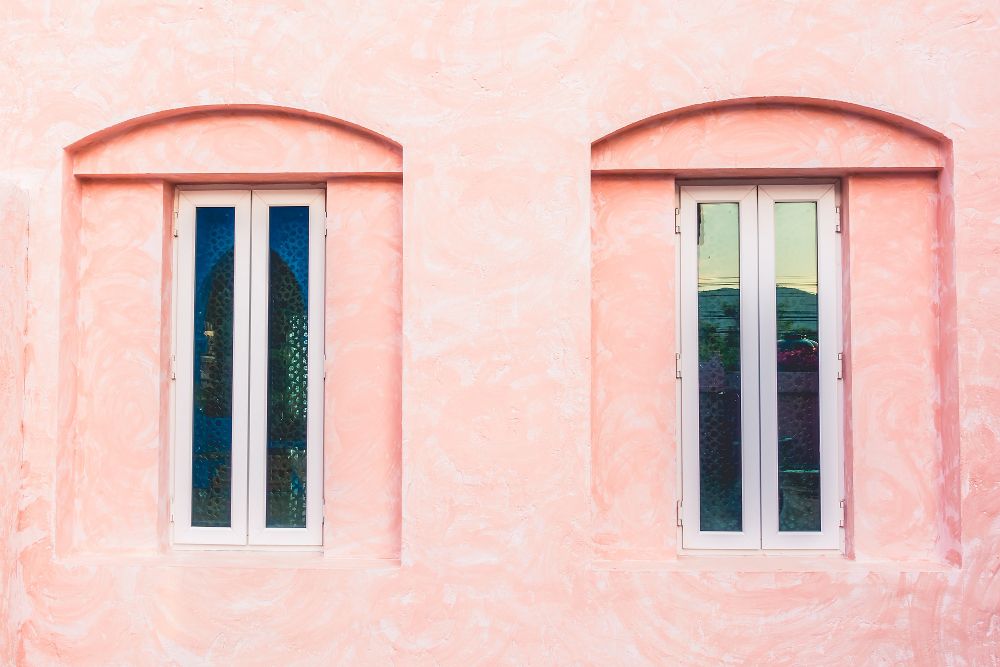
Fading Paint on Wall
Fading paint on walls can be a real eyesore, both inside and out. Over time, those vibrant colors you love can start to look dull thanks to sunlight exposure and using cheap paints. Whether you’re tackling an interior painting project or sprucing up the exterior, knowing how to prevent and reverse paint fading is key. This guide dives into why paint fades and gives you practical solutions to keep your walls looking fresh. From picking the right latex paints and alkali-sensitive options to learning how to protect your painted surfaces, we’ve got you covered.
Key Takeaways
- Use high-quality paint with strong UV resistance and durable pigments to prevent fading.
- Properly clean and prime surfaces to ensure the paint adheres well and lasts longer.
- Protect interior paint from direct sunlight by using window treatments and installing UV-blocking films.
- Choose light colors for your walls to reflect more light and reduce the rate of fading.
- Maintain your paint by regularly cleaning surfaces with mild solutions and performing touch-ups.
- Shield exterior paint from harsh weather and UV rays with strategic landscaping, awnings, or canopies.
Why Does Paint Fade on Walls?
Sunlight Exposure
UV rays are one of the biggest culprits behind fading paint. These rays break down the chemical bonds in the paint pigments, causing the colors to fade. This process, called photodegradation, impacts both interior and exterior paint. Rooms with large windows or walls that face south or west get more direct sunlight, making them more prone to fading.
Low-Quality Paint
Using cheap paint can lead to faster fading. Lower-quality paints lack the protective components that help maintain color. On the other hand, high-quality paints have better pigments and binders that resist UV radiation and other environmental factors. Investing in good quality paint can save you from frequent repainting.
Improper Surface Preparation
Skipping the essential steps of cleaning and priming can lead to poor adhesion of the paint. Dirt and debris on walls can prevent paint from sticking properly, and a lack of primer can result in uneven application. Proper surface preparation ensures that even high-quality paint performs well and lasts longer.
Humidity, Temperature, and Weather Conditions
Environmental factors like humidity, temperature changes, and harsh weather significantly affect paint longevity. High humidity can cause paint to blister and peel, while extreme temperatures can break down the paint’s chemical structure. Areas with severe weather conditions, like coastal regions, experience faster fading of exterior paints due to salty air.
Bad Paint Application
Errors during the painting process, such as applying paint too thinly, not allowing enough drying time between coats, or using the wrong type of paint, can lead to premature fading. It’s important to follow the recommended guidelines for paint application to ensure durability.
Chemical Exposure
Household chemicals, especially in kitchens, bathrooms, and laundry rooms, can also contribute to paint fading. Harsh cleaning products can strip away the paint’s protective layer, leading to discoloration. Using mild, paint-friendly cleaning solutions helps maintain the paint’s integrity.
How to Prevent Interior Paint from Fading
Use High-Quality, UV-Resistant Paint: Choosing high-quality, UV-resistant paint makes a big difference. These paints are specially formulated to stand up to UV rays and other factors that cause fading. The better pigments and binders in these paints help maintain vibrant colors for longer.
Selecting the Right Colors: The color you choose impacts how quickly it fades. Dark colors absorb more light and heat, leading to faster fading. Light colors, however, reflect more light and resist fading better. So, picking lighter shades can help keep your walls looking fresh.
How to Protect Interior Paint Against Fading
Window Treatments: Using curtains, blinds, or shades can significantly cut down on the direct sunlight hitting your walls. Close these treatments during peak sunlight hours to protect your paint from harmful UV rays.
Install UV-Blocking Window Film: Installing UV-blocking films on windows is another great way to protect your paint. These films filter out UV radiation, keeping it from penetrating through the glass and causing your paint to fade. This is especially useful for rooms with large windows or high sun exposure.
Regular Maintenance: Regular cleaning helps maintain your paint’s appearance. Use gentle, non-abrasive cleaning solutions to avoid damaging the paint. Steer clear of harsh chemicals and scrubbing tools that can wear down the protective layer. Periodic touch-ups can also help keep your walls looking fresh. Inspect your walls regularly and touch up any areas where the paint has started to fade or chip. Using the same high-quality paint for touch-ups ensures a seamless match and extends the life of your paint job.
How to Prevent Exterior Paint from Fading
High-Quality, UV-Resistant Paint: For outdoor projects, UV-resistant and weatherproof paints are essential. These paints are formulated to resist the damaging effects of UV rays and harsh weather conditions. UV-resistant paints protect the chemical structure of the pigments, preventing them from breaking down and fading. Weatherproof paints also provide a protective barrier against moisture, temperature fluctuations, and other environmental factors.
Landscaping: Strategic landscaping can protect exterior paint from direct sunlight. Planting trees or shrubs around the house can provide natural shade, reducing the exposure of painted surfaces to harmful UV rays. This not only helps in preserving the paint but also adds beauty to the property.
Installing Protective Coverings: Installing protective coverings like awnings or canopies can shield painted surfaces from direct sunlight and harsh weather. These coverings reduce the impact of UV radiation and rain, helping to maintain the paint’s color and integrity for a longer time.
Conclusion
Preventing paint fading is all about choosing the right products and staying on top of maintenance. Using high-quality, UV-resistant paints, picking the right colors, and adding protective measures like window treatments and UV-blocking films can make a huge difference. For exterior paint, think about strategic landscaping and installing protective coverings to shield your home from the elements. Regular cleaning and timely touch-ups will help keep your paint job looking vibrant and new. Follow these tips to keep your interior and exterior paint looking fantastic for years to come.
FAQs
How can I prevent interior paint from fading?
To prevent paint from fading, use high-quality, UV-resistant interior paint and install window treatments to block direct sunlight.
What are the signs of poor-quality paint?
Poor quality paint fades quickly, peels, or cracks, lacking durability and protection.
How do alkali-sensitive paints affect painted objects?
Alkali-sensitive paints can deteriorate or discolor on alkaline surfaces. Using a primer helps protect these painted objects.
What causes faded paint on interior walls?
Faded paint on interior walls is caused by sunlight exposure, poor quality paint, and improper application.
How can I touch up faded paint effectively?
Use the same high-quality interior paint, clean the area, and blend the touch-up with the surrounding paint to maintain a seamless look.

Chris Heerdegen
Chris Heerdegen is the founder and owner of OnDemand Painters, a painting and finishing company serving six metro markets across the Midwest and Florida. With over 20 years in the industry since 2001, Chris built OnDemand around a simple idea: answer the phone, show up when you say you will, and do the kind of work that earns a review.
All Posts