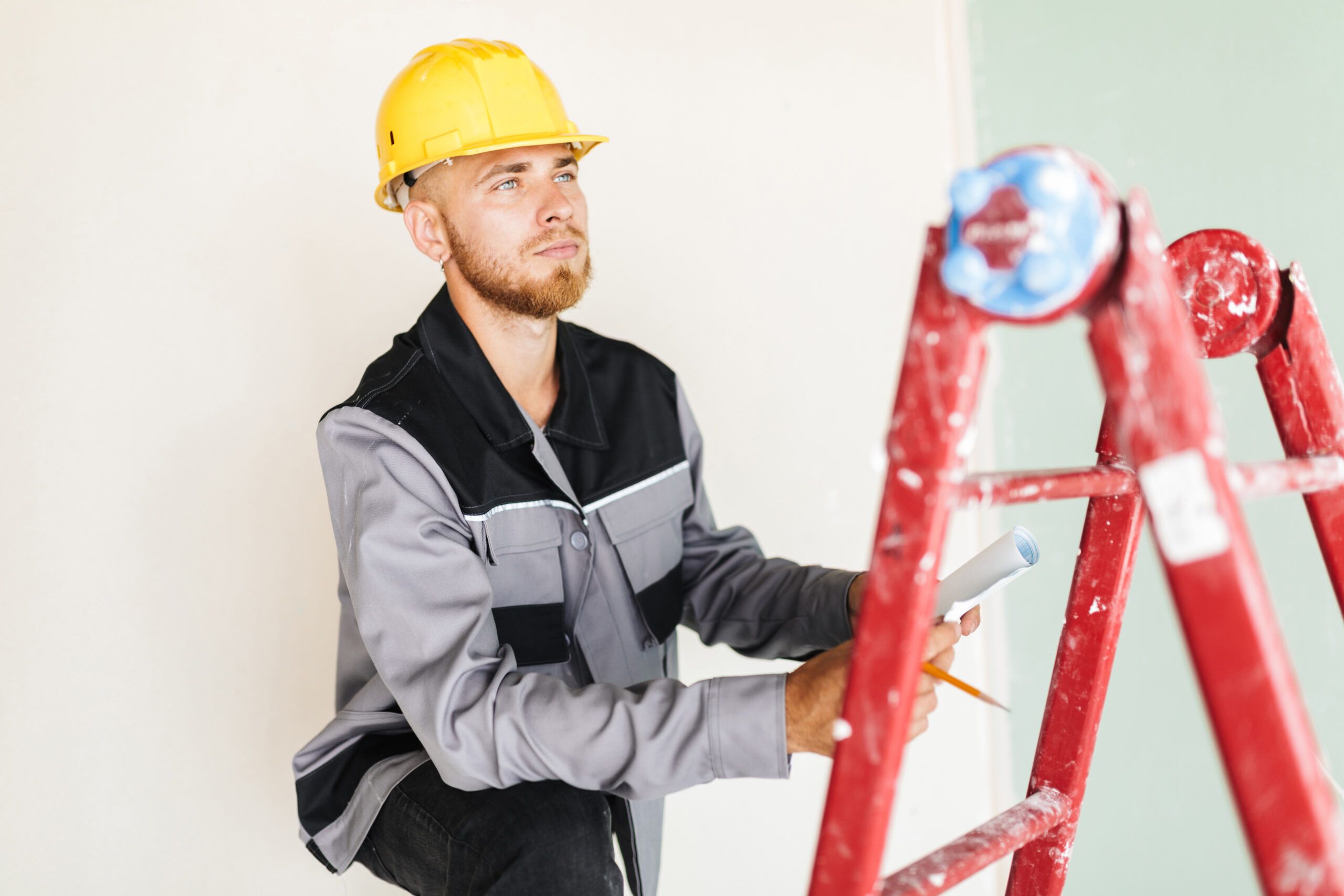
Can You Drywall Mud Over Paint? Yes. Here’s How
_Yes, you can apply drywall mud over paint, but proper surface preparation is essential for success. The painted surface must be thoroughly cleaned, lightly sanded to create texture for adhesion, and in some cases treated with a bonding agent. Without these steps, you ‘ll face poor adhesion, cracking, and peeling that will ruin your finish._
The good news is that with the right approach, most painted walls are workable. Common repair scenarios include patching cracks, patching damage from picture hanging, removing wallpaper residue, and smoothing textured walls. Flat finishes accept compound more readily, while semi-gloss and high-gloss paint require additional preparation steps.
Key Takeaways
- Always lightly sand painted surfaces before applying drywall mud for proper adhesion.
- Use a quality drywall knife and mesh tape to achieve a smooth surface finish.
- Apply thin multiple coats rather than one thick layer, building from first coat to second coat.
- Hot mud bonds better to painted drywall surfaces than regular compound for initial applications.
- Semi-gloss paints need bonding agents while flat finishes accept drywall compound more easily.
- Let each coat dry completely before sanding: 12 to 24 hours for regular compound, 20 to 90 minutes for hot mud.
- Prime patched areas and new compound before painting to seal the surface and prevent flashing.
Can I Put Drywall Mud Over Paint? The Direct Answer
Yes. Drywall mud adheres to painted surfaces when the surface is properly cleaned, sanded, and sometimes primed first. Flat paints accept compound readily. Glossy finishes require aggressive sanding or bonding agents to achieve proper adhesion.
Essential Tools and Materials You ‘ll Need
Application Tools
Your primary tool is a quality drywall knife, ranging from 4 to 12 inches wide depending on project scope. A 6-inch knife handles most repair work, while wider blades work better for skim coating. A taping knife handles detailed work around trim or fixtures, while a putty knife is ideal for small patch repairs on painted drywall.
Preparation Materials
Fine grit sandpaper in the 150 to 220 range creates the proper tooth for adhesion. Mesh tape reinforces areas prone to cracking around corners and seams. Paper tape works well embedded into your first coat.
All-purpose joint compound contains more bonding agents than lightweight varieties, making it the better choice for a first coat over painted surfaces. High-bond primers improve adhesion on glossy or oil-based painted surfaces.
Safety Equipment
Wear an N95 mask, safety glasses, and keep windows open with fans running throughout the project to maintain air quality and help materials dry properly.
Types of Drywall Compound for Painted Surfaces
Hot mud, also called setting mud, chemically sets rather than air-drying, offering faster working times and superior adhesion on painted surfaces. Use hot mud for your first coat over paint, then switch to regular all-purpose compound for final smoothing coats.
All-purpose compound provides good workability and sands well once dry. Lightweight compounds contain fewer bonding agents and may not adhere as well to painted drywall as traditional formulations.
Step-by-Step Surface Preparation Process
Cleaning the Painted Wall
Clean the painted surface with a damp cloth and mild detergent solution to remove dirt, grease, and contaminants. For heavily soiled surfaces, TSP solution removes grease and residue more effectively. Allow the wall to dry completely before proceeding.
Sanding Technique
Lightly sand the entire painted surface using 150 to 180-grit sandpaper in circular motions. The goal is to scuff the paint enough to create texture without removing all the paint. Use a sanding block for large areas and hand sand corners.
Dealing with Paint Peeling
Scrape away any peeling paint using a putty knife, then patch the exposed area with joint compound before applying your finish coats. Feather the edges of remaining paint to create smooth transitions. Solidly bonded paint does not need to be removed.
Priming Patched and Repaired Areas
Prime all patched areas and fresh compound before applying finish paint. Joint compound is porous and absorbs paint unevenly without primer, causing dull patches called flashing. For glossy paint or oil-based finishes, use a high-bond primer. One coat of primer is the minimum.
Professional Application Techniques
Applying the First Coat
Apply the first coat of joint compound in a thin layer using smooth, consistent strokes across the painted drywall surface. Maintain wet edges to avoid lap marks. Avoid overworking the material, which can introduce air bubbles and create texture issues.
Building Up Multiple Coats
The second coat should be slightly thicker than the first. Apply after the first coat has dried completely, typically 24 hours under normal conditions. For patch repairs on painted drywall, additional coats may be required to bring the repaired area flush with the surrounding wall. Three coats typically produce the best results.
Common Mistakes When Applying Mud to Painted Drywall
The biggest mistake is applying drywall compound too thickly in early coats. Thick applications over paint are more likely to crack, shrink unevenly, or lose adhesion.
Applying compound over sealed or glossy paint without sanding first can trap air beneath the surface. These air bubbles indicate the painted drywall needed more aggressive preparation or a bonding agent before application. Skipping surface preparation causes more failures than any other factor.
Is It Okay to Skim Coat Over Paint?
Skim coating over painted drywall creates a seamless surface ideal for high-end finishes and smooth paint applications. This technique works especially well when changing wall texture or preparing for premium paint finishes. The process requires the same careful preparation as spot repairs but covers the entire wall surface.
Drying, Sanding, and Finishing Process
Proper Drying Times
Allow each coat to dry completely before proceeding to the next step. Standard drying times range from 12 to 24 hours depending on humidity, temperature, and coat thickness.
Hot mud sets much faster, typically within 20 to 90 minutes depending on the specific product chosen. This faster setting time allows you to complete projects more quickly but requires more precise timing.
Check for complete drying by looking for uniform color and testing firmness with gentle finger pressure. Damp or soft areas need additional drying time before sanding or additional coats.
Sanding Between Coats
Sand each dried coat smooth using 150 to 180-grit sandpaper between coats, then switch to 220-grit for the final pass before priming. Clean all dust between sanding and subsequent coats using a damp cloth or tack cloth to prevent texture problems in your final finish.
Troubleshooting Common Adhesion Problems
When Mud Won ‘t Stick
Adhesion problems typically result from inadequate surface preparation or contamination. Oil, wax, or cleaning residue prevents proper bonding between paint and joint compound.
Sealed or glossy paint can also trap air beneath the compound layer. These air bubbles indicate the surface needed more aggressive sanding or a bonding agent before application.
Preventing Future Issues
Use bonding agents when working over glossy paint. Prime all repaired areas before finish painting to seal the compound and prevent uneven absorption.
Can Joint Compound Go on Top of Paint? Special Considerations
Joint compound application over painted drywall requires attention to the specific paint finish. Semi-gloss and high-gloss paint present the greatest challenges due to their smooth, non-porous surfaces. Flat finish paints provide better mechanical adhesion, though proper preparation remains essential. Glossy paint highlights imperfections, requiring more careful application and finishing work.
When to Call Professional Painters
Complex projects involving large areas, multiple rooms, or challenging conditions benefit from professional expertise. OnDemand Painters has extensive experience with mud over paint applications and can assess your specific situation to recommend the best approach.
Conclusion: Achieving Professional Results
Successfully applying drywall mud over paint requires patience and attention to detail. Clean surfaces, adequate sanding, proper priming, and careful application set the foundation for lasting results. Consider working with professional painters like OnDemand Painters who bring years of experience to every project.
FAQs
Can you put drywall mud directly over painted walls?
Yes, but the painted surface must be properly prepared first - cleaned thoroughly and lightly sanded to create texture for proper adhesion.
What’s the best way to get a smooth finish when mudding over paint?
Apply thin multiple coats, sand between each application, and use progressively finer grits to achieve a smooth finish that’s ready for painting.
How do I know when my drywall compound is ready to be sanded smooth?
Check that the compound has turned uniformly white and feels completely dry and hard to the touch before attempting to sand it smooth.
What grit sandpaper should I use for the final coat?
Use 150 to 180-grit sandpaper between coats to smooth each layer, then finish with 220-grit for the final pass before priming.
Why does my drywall mud keep cracking over painted surfaces?
This usually happens from applying coats too thick, inadequate surface preparation, or not allowing each layer to dry completely before the next application.
How many coats of mud do I need over paint to get professional results?
Typically three coats work best: a thin bonding first coat, a build-up second coat, and a final smoothing coat that can be sanded smooth for painting. Follow all coats with a primer before your finish paint.
Do I need to prime after applying joint compound?
Yes. Prime all patched areas and new compound before painting. Joint compound absorbs paint unevenly without primer, causing dull patches called flashing. A single coat of high-bond primer is the minimum.
Contents
Does Spackle Go Bad? Shelf Life and Storage Tips
How to Wash Walls Before Painting
Wood Porch Paint Ideas: Transform Your Outdoor Space
Elastomeric Paint: Complete Guide to Coatings
[
Chris Heerdegen
Chris Heerdegen is the founder and owner of OnDemand Painters, a painting and finishing company serving six metro markets across the Midwest and Florida. With over 20 years in the industry since 2001, Chris built OnDemand around a simple idea: answer the phone, show up when you say you will, and do the kind of work that earns a review.
All Posts